Category: Home Improvement

  • Smart Lighting Installation: A Modern Guide to Efficient and Intelligent Illumination

    Smart Lighting Installation: A Modern Guide to Efficient and Intelligent Illumination

    The Rise of Smart Lighting in Modern Homes and Businesses

    Smart lighting installation has become one of the most popular upgrades in modern residential and commercial spaces. Unlike traditional lighting systems, smart lighting allows users to control brightness, color, timing, and energy usage through mobile apps, voice assistants, or automated schedules. This transformation is driven by the growing demand for convenience, energy efficiency, and smart home integration.

    In homes, smart lighting enhances comfort and personalization. Users can adjust lighting according to mood, time of day, or activity. For example, warm lighting can be set for relaxation in the evening, while bright white light can be used for work or study. In commercial spaces, smart lighting improves productivity, reduces energy costs, and creates a more engaging environment for customers and employees.

    The adoption of smart lighting is also closely linked to the rise of smart home ecosystems. Devices such as smart speakers, sensors, and home automation hubs work together to provide seamless control over lighting systems. This interconnected approach is making smart lighting a standard feature in modern infrastructure.

    Types of Smart Lighting Systems and Technologies

    There are several types of smart lighting systems available today, each offering unique features and benefits. One of the most common types is Wi-Fi-enabled lighting, which connects directly to a home network. This allows users to control lights remotely using smartphones or voice assistants without requiring additional hardware.

    Another popular option is Bluetooth-based lighting systems. These are ideal for smaller setups because they do not rely on internet connectivity. However, their control range is limited compared to Wi-Fi systems.

    Zigbee and Z-Wave technologies are widely used in advanced smart home setups. These systems require a central hub but offer better stability, scalability, and energy efficiency. They are commonly used in large homes and commercial buildings where multiple devices need to be connected.

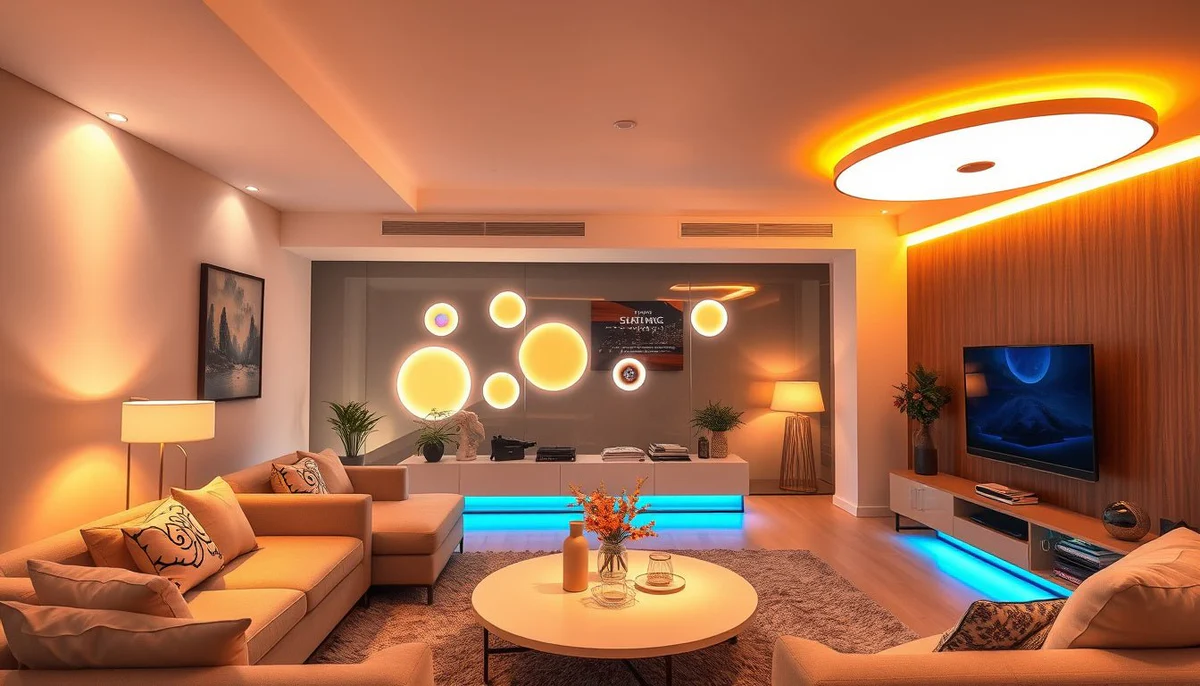
    Smart bulbs, smart switches, and smart light strips are the primary components of these systems. Smart bulbs can change color and brightness, while smart switches allow control of existing lighting fixtures. Light strips are often used for decorative or ambient lighting, adding aesthetic value to interiors.

    Step-by-Step Smart Lighting Installation Process

    Installing a smart lighting system is relatively simple, but it requires proper planning to ensure optimal performance. The first step is selecting the right system based on your needs, budget, and existing infrastructure. Compatibility with current wiring and smart home devices is an important factor to consider.

    Once the system is selected, the installation begins with replacing traditional bulbs or switches with smart alternatives. In most cases, smart bulbs can be installed directly into existing sockets, making the process quick and hassle-free. For smart switches, professional installation may be required to ensure safe wiring connections.

    After physical installation, the next step is connecting the devices to a network or hub. This usually involves downloading a dedicated app and following setup instructions. Users can then configure settings such as room grouping, scheduling, and automation rules.

    Testing is an important final step. This ensures that all lights respond correctly to commands and automation settings. Adjustments can be made to improve performance and user experience.

    Benefits, Energy Efficiency, and Future Developments

    One of the biggest advantages of smart lighting systems is energy efficiency. These systems allow users to monitor and reduce energy consumption by scheduling lights, dimming brightness, and turning off unused fixtures automatically. This not only reduces electricity bills but also contributes to environmental sustainability.

    Convenience is another major benefit. Smart lighting can be controlled remotely, making it easy to manage lights even when away from home. Voice control features further enhance usability, allowing hands-free operation through devices like smart assistants.

    Security is also improved with smart lighting. Automated lighting schedules can simulate occupancy when homeowners are away, deterring potential intruders. Motion-sensor lights can also enhance safety in outdoor areas.

    Looking ahead, smart lighting technology is expected to become even more advanced. Integration with artificial intelligence will allow systems to learn user preferences and adjust lighting automatically. Improved sensors and energy management systems will further enhance efficiency and performance.

    In conclusion, smart lighting installation is a valuable upgrade for both homes and businesses. It combines technology, convenience, and sustainability to create a more intelligent and efficient lighting experience. As innovation continues, smart lighting will play an even greater role in shaping modern living environments.