The Evolution of Luxury Watches in Modern Fashion
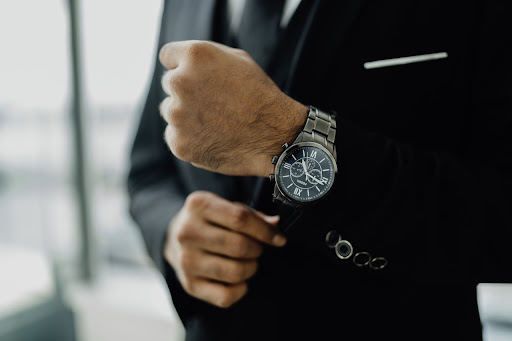
Luxury watches have long been symbols of prestige, craftsmanship, and timeless elegance. Over the years, they have evolved from simple timekeeping devices into powerful fashion statements and status symbols. While traditional mechanical watches continue to hold their charm, modern luxury watches now combine heritage with cutting-edge innovation, appealing to a broader and younger audience.
Historically, luxury watches were associated with elite collectors and professionals who valued precision engineering. Today, they are embraced by fashion enthusiasts, entrepreneurs, and influencers who see watches as an extension of personal style. This shift has encouraged brands to experiment with bold designs, unique materials, and advanced technology.
Another key change is the growing demand for versatility. Consumers now prefer watches that can transition seamlessly from formal settings to casual environments. This has led to the rise of minimalist designs and customizable features, allowing users to adapt their watches to different occasions.
Popular Design Trends and Materials
One of the most noticeable trends in luxury watches is the use of innovative materials. Traditional metals like gold and stainless steel are now complemented by materials such as titanium, ceramic, and carbon fiber. These materials not only enhance durability but also give watches a modern and distinctive look.
Dial design has also seen significant innovation. Skeleton dials, which reveal the inner workings of the watch, have become increasingly popular among enthusiasts who appreciate mechanical craftsmanship. Additionally, bold colors and textured finishes are being used to create visually striking timepieces.
Another emerging trend is the focus on sustainability. Many luxury watch brands are adopting eco-friendly practices, using recycled materials and ethical sourcing methods. This reflects a growing awareness among consumers who value sustainability alongside luxury.
Strap options have also expanded, offering greater customization. From classic leather to metal bracelets and rubber straps, users can choose styles that suit their preferences and lifestyles. Interchangeable straps have become especially popular, allowing wearers to easily switch between looks.
Smart Features and Technological Integration
Technology has significantly influenced the luxury watch market, leading to the integration of smart features without compromising traditional aesthetics. Hybrid watches, which combine mechanical craftsmanship with digital functionality, are becoming increasingly popular.
These watches offer features such as fitness tracking, notifications, and connectivity while maintaining the elegance of a classic timepiece. This blend of tradition and innovation appeals to modern consumers who want both style and functionality.
Another technological advancement is improved precision and durability. Modern luxury watches often include features like enhanced water resistance, shock protection, and longer power reserves. These improvements make them more reliable and suitable for everyday use.
Limited edition and exclusive releases are also gaining attention. Brands are leveraging technology to create unique designs and offer personalized experiences. This not only increases the value of the watches but also strengthens the emotional connection between the product and the consumer.
Investment Value and Future Market Trends
Luxury watches are not just accessories; they are also considered valuable investments. Certain timepieces appreciate over time, especially those from renowned brands or limited collections. Collectors often view watches as assets that combine aesthetic appeal with financial potential.
The resale market for luxury watches has grown significantly, driven by online platforms and global demand. This has made it easier for buyers and sellers to trade high-end watches, increasing their accessibility and liquidity.
Looking ahead, the luxury watch industry is expected to continue evolving with changing consumer preferences. Personalization, sustainability, and technological integration will remain key drivers of innovation. Brands that can balance tradition with modern demands are likely to thrive in this competitive market.
Another important trend is the growing influence of digital marketing and social media. These platforms have made luxury watches more visible and desirable, especially among younger audiences. As a result, brands are investing heavily in digital strategies to connect with their customers.
In conclusion, luxury watch trends reflect a perfect blend of heritage, innovation, and style. From advanced materials and smart features to investment potential and sustainability, the industry continues to adapt to modern demands while preserving its timeless appeal. For enthusiasts and collectors alike, luxury watches remain a symbol of sophistication and enduring value.